Found a Pet in Québec? What to Do Next
Found a lost dog, cat, or other pet in Québec? Follow these steps to keep the animal safe, check for identification, report them to the appropriate local services, and help reunite them with their family.
Written by the ResQPaw team
Updated July 15, 2026

Approach a Found Pet Safely
Approach slowly and give the animal space. Avoid chasing, cornering, or reaching toward a frightened pet.
If the animal appears aggressive, injured, severely distressed, or unsafe to approach, contact your municipality, local animal service, shelter, or veterinary clinic for guidance. Do not handle an injured or unknown animal with bare hands.
Many municipalities have a designated animal service for injured or at-risk strays — in Montréal, for example, you can contact the city or its designated service. Check the service covering your area for how to report an animal that needs help.
Check the Pet for Identification
- Look for a collar tag, licence tag, phone number, or address.
- Contact the owner directly when clear contact information is available.
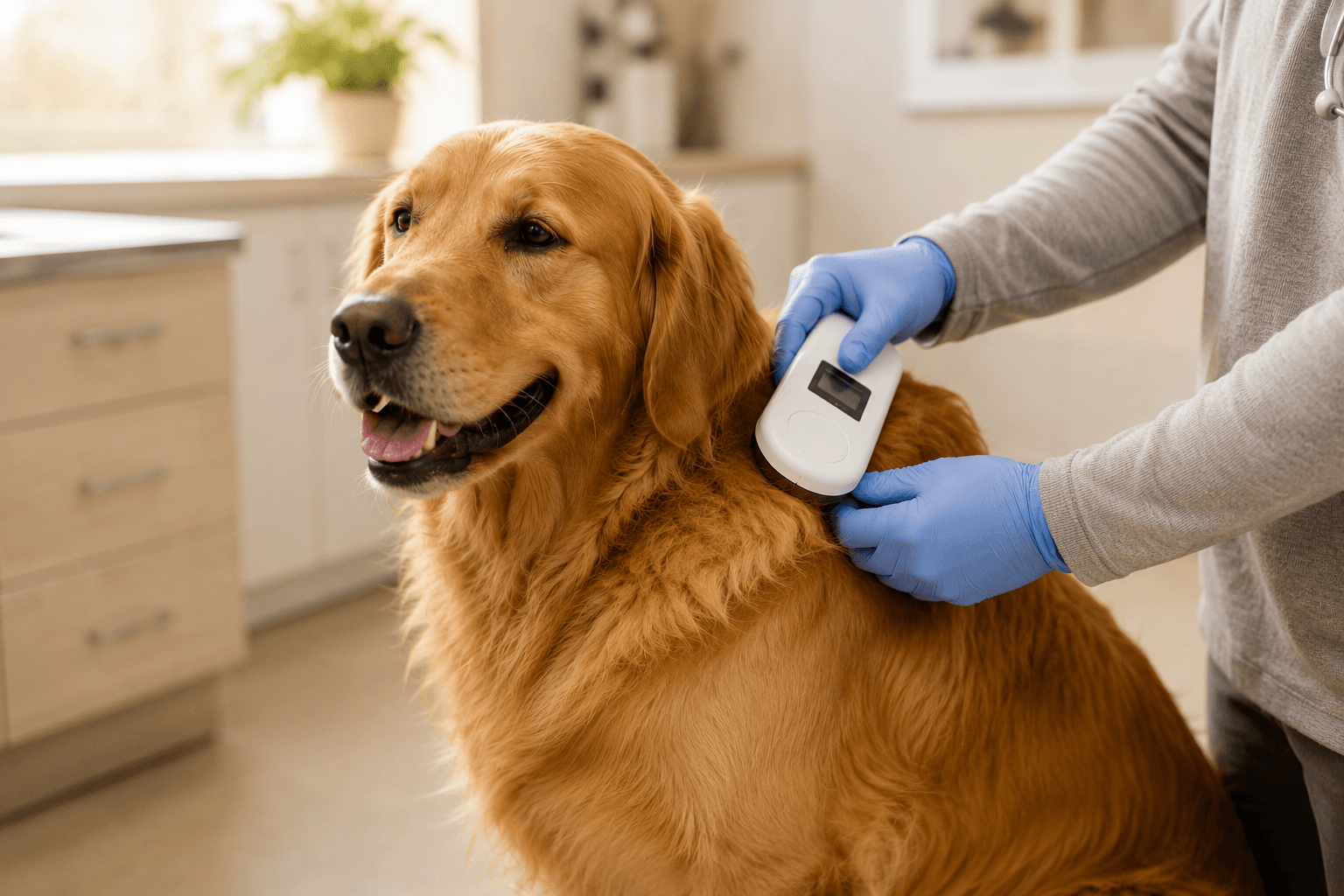
- Bring the animal to a veterinary clinic, shelter, or animal service for a microchip scan — it is usually free and takes a couple of minutes, and it works even for chips registered years ago.
- Photograph any identification before handing the pet to another organization.
- Avoid sharing every identifying detail publicly; keep one feature private to help verify ownership.
Report a Found Pet in Québec
- Create a found-pet report on ResQPaw with clear photos, the location, date, and identifying details. Our matching automatically compares it against lost-pet reports in the area.
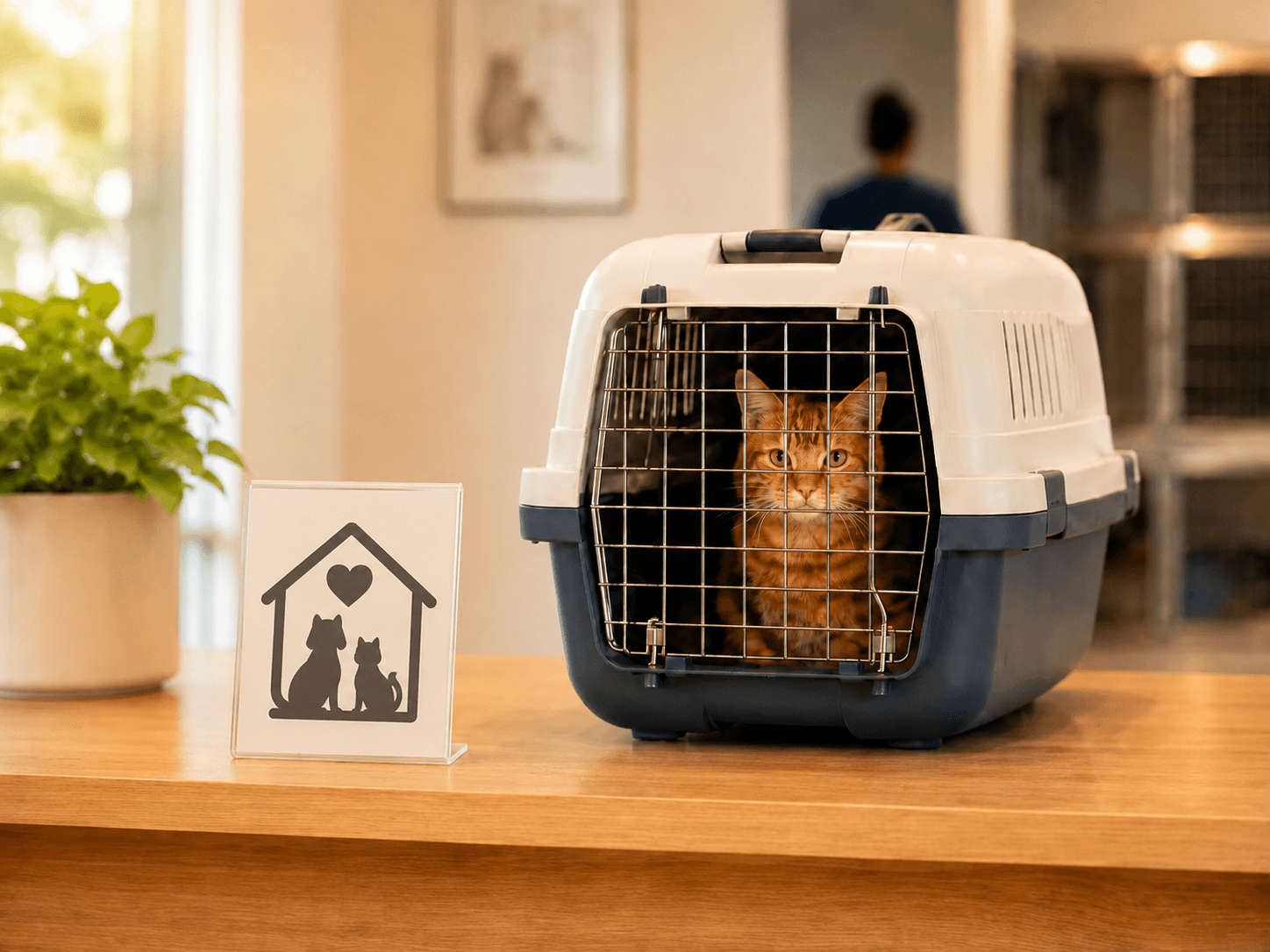
- Contact the municipality, shelter, or animal service responsible for the area where the pet was found.
- Share the ResQPaw report with nearby residents and relevant community groups.
- Continue checking lost-pet reports and update your report if the animal's location or status changes.
Keep your report active even after contacting a shelter. Municipal procedures and holding periods vary, and the pet's family may be searching through a different channel.
Is the Cat Lost or Allowed Outdoors?
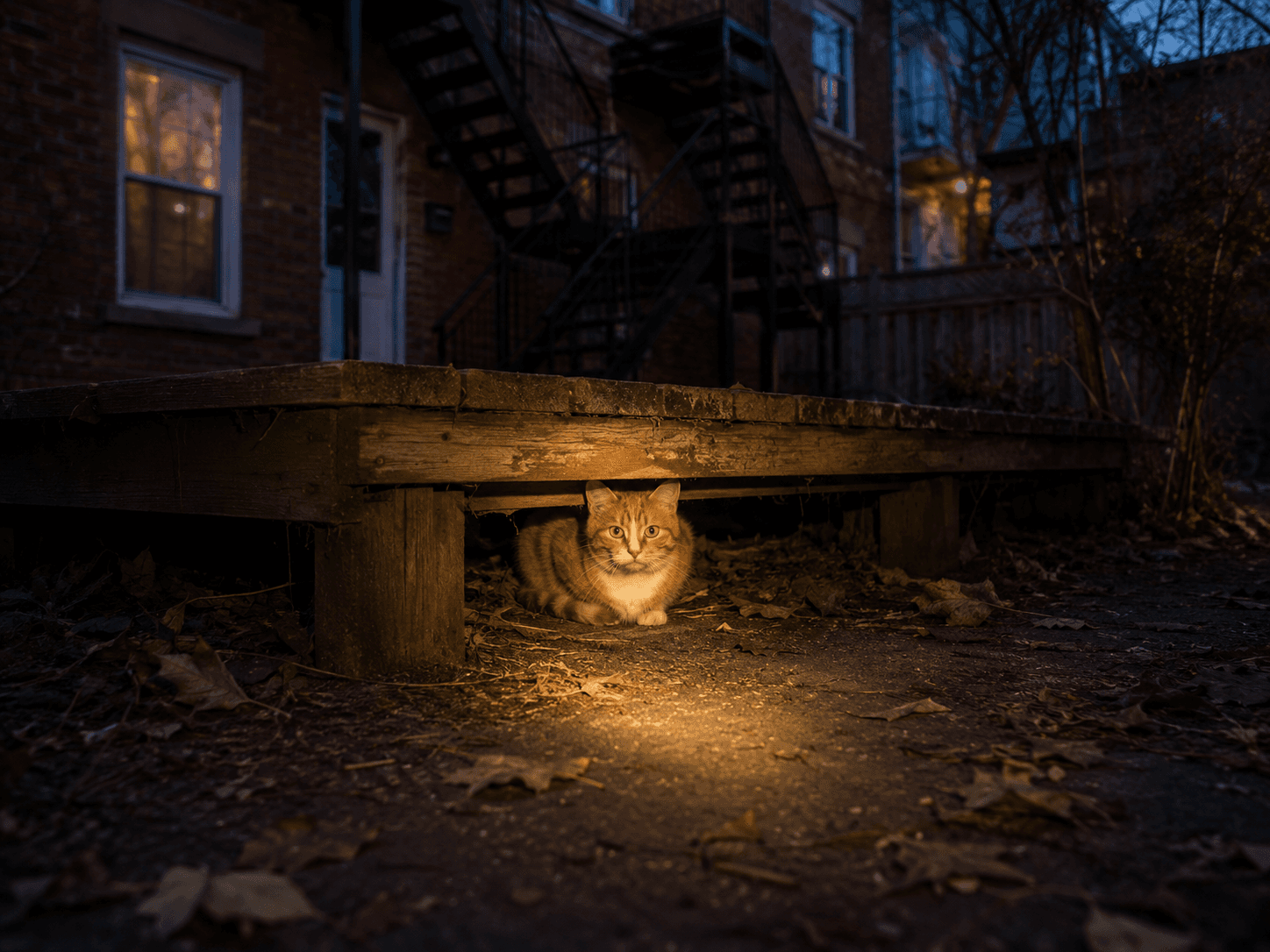
A healthy, confident cat sitting near a home may be an outdoor pet. A cat may need help if they appear frightened, disoriented, injured, underweight, unusually vocal, or remain in the same place for an extended period.
Before moving the cat:
- Ask nearby residents whether they recognize them.
- Check for a collar or visible identification.
- Take a clear photo and note the exact location.
- Create a found-pet report if the cat appears lost or vulnerable.
- Arrange a microchip scan when appropriate.
A paper collar with a note ('Is this your cat? Call me') can answer the question within a day or two without separating a pet from its family.
Can You Keep a Found Pet in Québec?
Do not assume ownership immediately. Make reasonable efforts to locate the family by checking identification, reporting the pet, contacting local animal services, and reviewing lost-pet reports.
If no family is found, ask the responsible shelter or municipality about the next steps, including temporary care, fostering, or adoption. Procedures differ by location.
Confirm Ownership Before a Reunion
Before returning the pet, ask the claimant for information that was not shared publicly, such as:
- Distinctive markings
- Sex and approximate age
- Collar or tag details
- Veterinary or adoption records
- Recent photos
- The pet's microchip or licence information
Arrange the reunion in a safe public place, and update your ResQPaw report once the pet is home.
Spotting Animal Abuse or Neglect
Sometimes the animal you're worried about isn't a lost pet — it's one being neglected or mistreated. It helps to know the signs and who to contact.
- Left outside without adequate shelter, food, or water in extreme heat or cold.
- Visibly emaciated, or with untreated wounds, illness, or severe matting.
- A collar grown painfully tight or embedded in the skin.
- Kept in filthy, unsafe, or dangerously confined conditions.
- Being struck, thrown, or otherwise deliberately harmed.
In Québec, report suspected cruelty or neglect to MAPAQ, the provincial animal-welfare authority, through its animal-mistreatment report form on Québec.ca. If an animal is in immediate danger or you're witnessing cruelty as it happens, call 911. Some areas are also served by an SPCA investigations team.

Frequently asked questions
Reporting & responsibilities
Do I have to bring a found pet to a shelter?
Not always. The correct process depends on the municipality and the animal's condition. Contact the local animal service or shelter, report the pet, and ask whether you may provide temporary care while the family is located.
Where should I report a found dog or cat in Québec?
File a found-pet report on ResQPaw and contact the municipality or animal service responsible for the area where you found the pet. Sharing in local community groups helps too.
How long before a found pet can be adopted?
Holding periods and adoption procedures vary by municipality and shelter. Contact the organization responsible for the area where the pet was found for the current rules.
What if I think an animal is being abused or neglected?
Report it to MAPAQ, Québec's animal-welfare authority, through the online report form on Québec.ca. Call 911 if the animal is in immediate danger. Note what you saw, when, and where — photos taken from a safe, legal vantage point can help.
Care & costs
Who pays if a found pet needs veterinary care?
Ask the veterinary clinic, municipality, or animal service before authorizing non-emergency treatment. Responsibility for costs varies, and voluntary treatment may not be reimbursed.
What should I do if the found pet is injured?
Contact a veterinary clinic, shelter, or your local animal service for guidance before handling it. Don't touch an injured or unknown animal with bare hands, and keep it in sight if you can't safely approach.
Can a veterinarian scan a found pet for a microchip?
Yes. Any veterinary clinic or shelter can scan a found animal for a microchip, usually free and in a couple of minutes — it works even for chips registered years ago.
Cats & verifying ownership
The cat seems healthy. Should I still report them?
Yes, when the cat may be lost. A microchip scan and found-pet report can help match the cat with a family without unnecessarily removing a known outdoor cat from their area.
What proof should someone provide before I return the pet?
Ask for details that weren't shared publicly — distinctive markings, sex and approximate age, tag or microchip information, or veterinary and adoption records. Recent photos of the pet at home also help confirm the family.
Should I post the exact location of a found pet publicly?
Share the general area rather than the exact address, and keep one identifying detail private. This helps you verify a genuine owner and protects both you and the pet.

Help This Pet Get Home
Create a free found-pet report so families, shelters, and community members can find and compare the information.
Report a Found PetKeep reading